
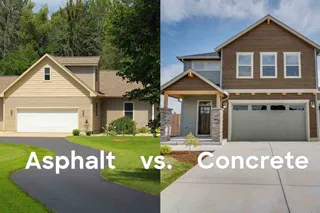
When deciding between concrete and asphalt for your driveway in South Jersey—where we face humid summers, salty coastal air, and freeze-thaw winters—the choice impacts durability, cost, and maintenance. At Grasso Concrete LLC in Gloucester County, we specialize in concrete but understand both options. Here’s a balanced breakdown to help you choose, based on key factors like lifespan, climate suitability, and long-term value.
Pros and Cons of Concrete Driveways
Concrete is a poured, rigid material that’s highly customizable and long-lasting, making it popular for South Jersey homes needing resilience against heat and heavy use.
Pros:
• Exceptional Longevity: Lasts 30-50 years with proper care, outpacing asphalt in durability.
• High Strength: Handles heavy loads like trucks or RVs without deforming; superior compressive strength (up to 6,000 PSI).
• Better in Warm Climates: Resists softening in hot, humid summers and doesn’t become tacky.
• Low Long-Term Maintenance: Requires less frequent upkeep; sealing every 3-5 years protects against salt and moisture.
• Aesthetic Versatility: Can be stamped, colored, or textured for a premium look that boosts curb appeal and home value.
• Eco-Friendly Edge: Lower carbon footprint over time compared to petroleum-based asphalt.
Cons:
• Higher Initial Cost: $8-20 per square foot, including labor—often 20-50% more than asphalt.
• Longer Installation: Takes 2-10 days to pour and cure; can’t drive on it for up to a week.
• Prone to Cracking: In freeze-thaw areas like ours, cracks from temperature shifts are common, though preventable with reinforcement.
• Expensive Repairs: Fixing cracks or sections costs more than asphalt patches.
• Potential Slipperiness: Sealed surfaces can be slick when wet or icy.
Pros and Cons of Asphalt Driveways
Asphalt (or blacktop) is a flexible, petroleum-based mix that’s quick and affordable, ideal for budget-conscious projects but requiring more ongoing care.
Pros:
• Lower Upfront Cost: $7-15 per square foot—typically 30-50% cheaper than concrete.
• Fast Installation: Ready in 1-2 days; drivable within 24 hours.
• Flexible in Cold Weather: Bends with freeze-thaw cycles, reducing cracking in NJ winters.
• Easy Repairs: Patching holes or cracks is simple and inexpensive.
• Heat Absorption: Melts snow faster in winter, aiding de-icing.
• Recyclable: Can be reused, though production has environmental drawbacks.
Cons:
• Shorter Lifespan: 15-30 years, needing replacement sooner than concrete.
• Frequent Maintenance: Requires sealing every 1-3 years to prevent weathering; neglect leads to potholes.
• Poor in Extreme Heat: Softens or deforms in hot summers, tracking tar onto shoes or indoors.
• Limited Customization: Mostly black or gray; fewer design options.
• Environmental Impact: Higher CO₂ emissions and oil dependency.
• Staining and Odor: Shows oil stains easily and can emit odors during installation.
In South Jersey’s mixed climate, concrete often wins for longevity and low maintenance, especially if you’re planning to stay long-term. Asphalt suits quick, cost-effective needs but may cost more over time due to upkeep. For personalized advice on your Goouecester County or Camden County property, contact Grasso Concrete LLC today—visit grassoconcrete.com for a free estimate!