
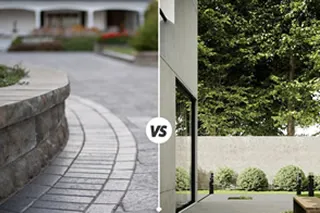
Choosing between pavers and concrete for your driveway or patio in South Jersey can feel overwhelming—especially with our region’s unpredictable weather, from humid summers and coastal salt air to harsh winters with freeze-thaw cycles. At Grasso Concrete LLC in Franklinville, we’ve installed both for countless homes in Gloucester County and beyond, and we know each has its strengths. In this post, we’ll break down the pros and cons of each material, tailored to New Jersey’s climate, to help you decide what’s best for your outdoor space. Whether you’re in Hamilton Township or Franklinville, or Gloucester County or Camden County, understanding these factors can save you time, money, and headaches down the road.
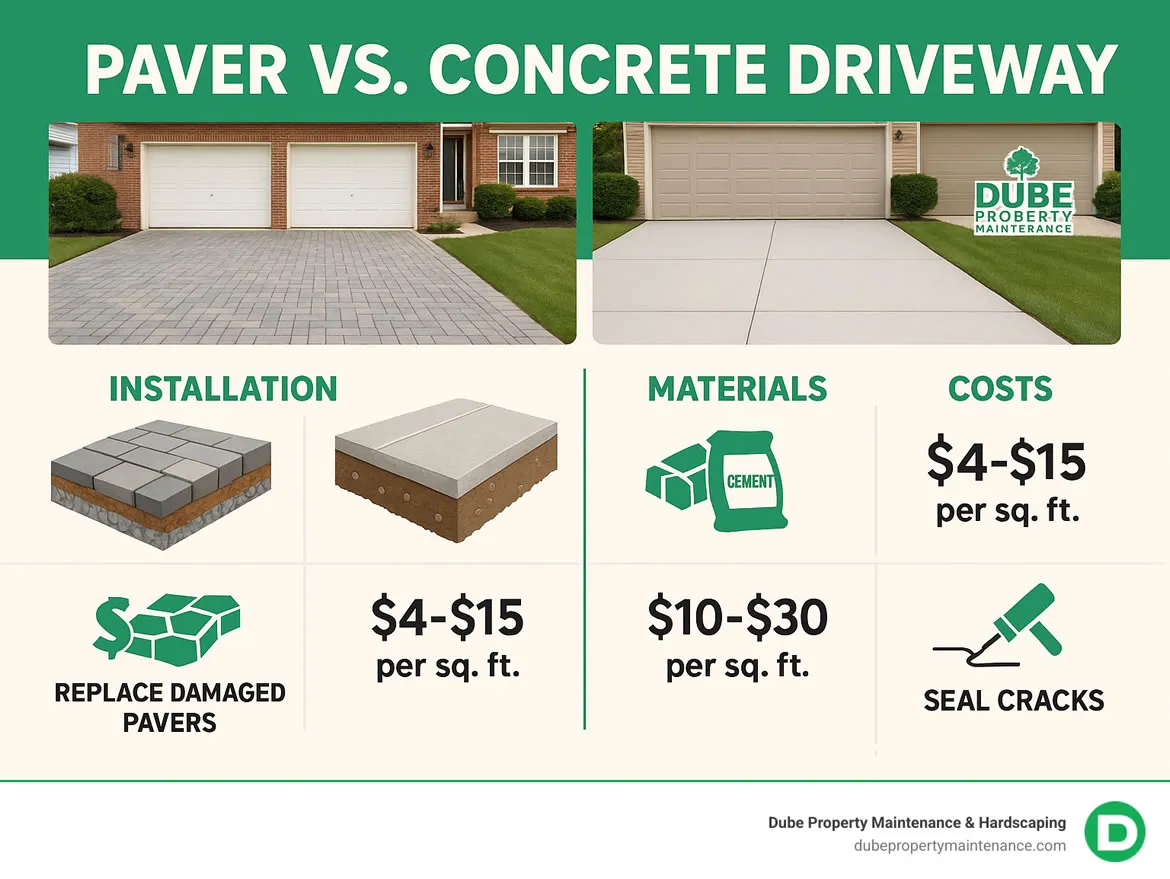
Pros and Cons of Pavers
Pavers—individual units like concrete blocks, bricks, or stones—are interlocking pieces laid on a prepared base. They’re popular for their flexibility and style, but how do they hold up in South Jersey’s wet, freezing conditions?
Pros:
• Durability in Harsh Weather: Pavers flex with ground movement and withstand freeze-thaw cycles without cracking, making them ideal for NJ’s variable soils and winters. Unlike rigid surfaces, they distribute weight evenly and resist heaving from frost.
• Easy Repairs: If damage occurs (e.g., from tree roots or settling), you can replace individual pavers without tearing up the whole area—perfect for quick fixes after storms.
• Excellent Drainage: Permeable pavers allow water to filter through, reducing runoff and flooding risks in rainy areas like the Pinelands. This eco-friendly feature supports local ecosystems and complies with NJ stormwater regulations.
• Aesthetic Versatility: Endless colors, shapes, and patterns let you create custom designs that boost curb appeal and resale value—great for coastal homes needing visual pop.
• Low Long-Term Maintenance: Once sealed, they resist weeds and stains from salt or humidity, requiring less upkeep than other options.
Cons:
• Higher Initial Cost: Materials and labor can run $10-30 per square foot, more than basic concrete, due to the detailed installation process.
• Installation Time: Laying pavers takes longer (days to weeks), and poor prep can lead to shifting in NJ’s clay-heavy soils.
• Potential for Weeds: Joints between pavers can allow weeds if not filled with polymeric sand, though this is manageable with routine care.
• Surface Unevenness: Over time, slight settling might create trip hazards, especially in high-traffic areas.
Pros and Cons of Concrete
Concrete is a poured, monolithic slab that’s cured on-site. It’s a staple for driveways and patios, offering a clean, modern look—but South Jersey’s weather can test its limits.
Pros:
• Affordable Upfront: Typically $4-15 per square foot, making it budget-friendly for large areas like driveways.
• Quick Installation: Poured in a day or two, with curing in about a week—ideal if you need a fast turnaround before NJ’s short outdoor season.
• Smooth and Customizable: Options like stamped concrete mimic stone or brick for added style, and it’s easy to clean with a hose.
• Strength for Heavy Use: Handles vehicles and furniture well, lasting 30+ years with proper reinforcement against coastal winds and loads.
• Low Maintenance: Seal every few years to protect from salt and UV, and it’s resistant to weeds since there are no joints.
Cons:
• Prone to Cracking: Freeze-thaw cycles and ground shifts can cause cracks, especially in South Jersey’s humid, salty environment—repairs often mean patching or full replacement.
• Poor Drainage: Non-permeable surfaces lead to pooling and runoff, increasing flood risks during heavy rains.
• Limited Flexibility: Once poured, changes are tough; cracks from settling require professional fixes.
• Aesthetic Limitations: Plain concrete can look bland without stamping, and it may stain from road salt or humidity over time.
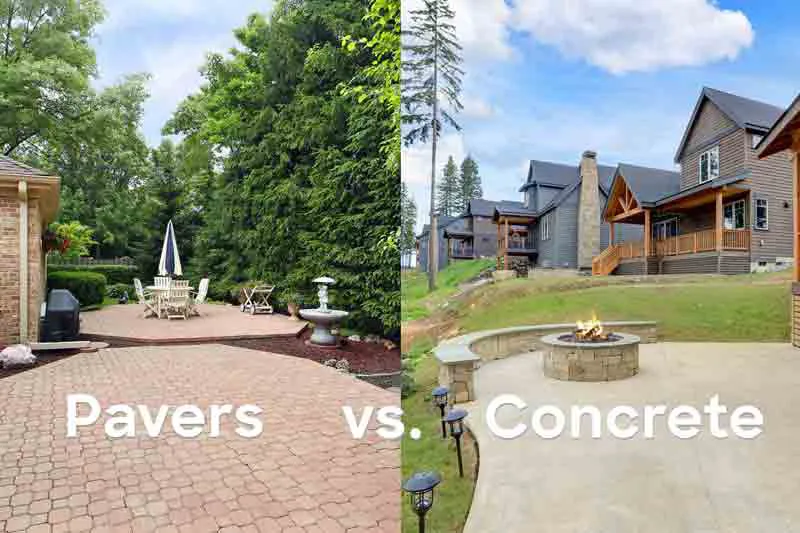
Pavers vs. Concrete: Which Wins in South Jersey?
For most South Jersey properties, pavers edge out concrete in long-term durability and weather resistance, especially with our freeze-thaw challenges and rainfall. They’re better for eco-conscious homeowners tying into pollinator-friendly yards, as permeable designs reduce erosion. However, if budget and speed are priorities, concrete (especially stamped) offers great value without sacrificing too much style.
Ultimately, it depends on your needs: Pavers for custom, resilient designs; concrete for simple, cost-effective slabs. Consider soil type, drainage, and usage—coastal areas like Atlantic City may favor pavers for salt resistance, while inland spots suit either.
Ready to Choose Your Surface?
At Grasso Concrete LLC, we specialize in both pavers and concrete installations, backed by our 5-star reviews and local expertise. Whether you’re upgrading a patio or driveway, we’ll guide you through options suited to South Jersey’s climate. Contact us today for a free estimate—let’s create an outdoor space that lasts! Visit grassoconcrete.com or call our Franklinville local team.